OGS vs AGS: Differences and Applications in Pipe Grooving
- Share
- publisher
- RUBR
- Issue Time
- Apr 24,2026
Summary
OGS and AGS are two key grooving standards used in pipe connections. While OGS is widely applied in standard pipe sizes, AGS is designed for large-diameter applications where higher joint stability is required. This article explains their differences, selection logic, and compatible equipment, helping users better understand how to choose the right grooving standard.
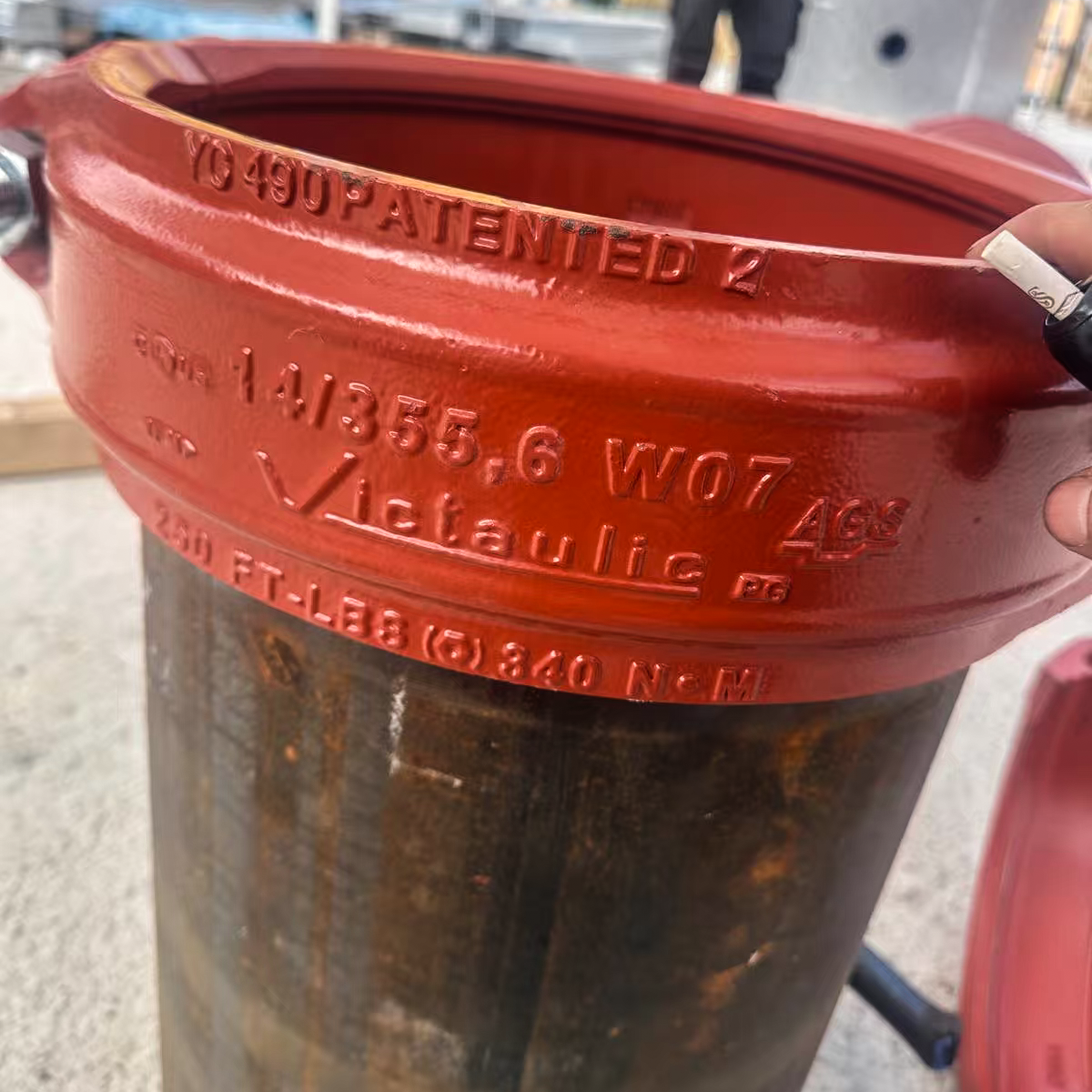
In grooved piping systems, roll grooving is widely used in fire protection, construction, and industrial applications.
In practice, however, more attention is often given to the machine itself, while the grooving standards behind the connection are less discussed.
Among the commonly used specifications, OGS and AGS are two important standards to understand.
This becomes especially relevant when working with large-diameter pipes, where the choice of standard can affect connection reliability.
What Is OGS
OGS (Original Grooved System) is the most widely used grooving standard and is suitable for standard pipe sizes.
In most small to medium diameter piping systems, OGS is sufficient to meet connection requirements, which is why it remains the most commonly used specification in the field.
What Is AGS
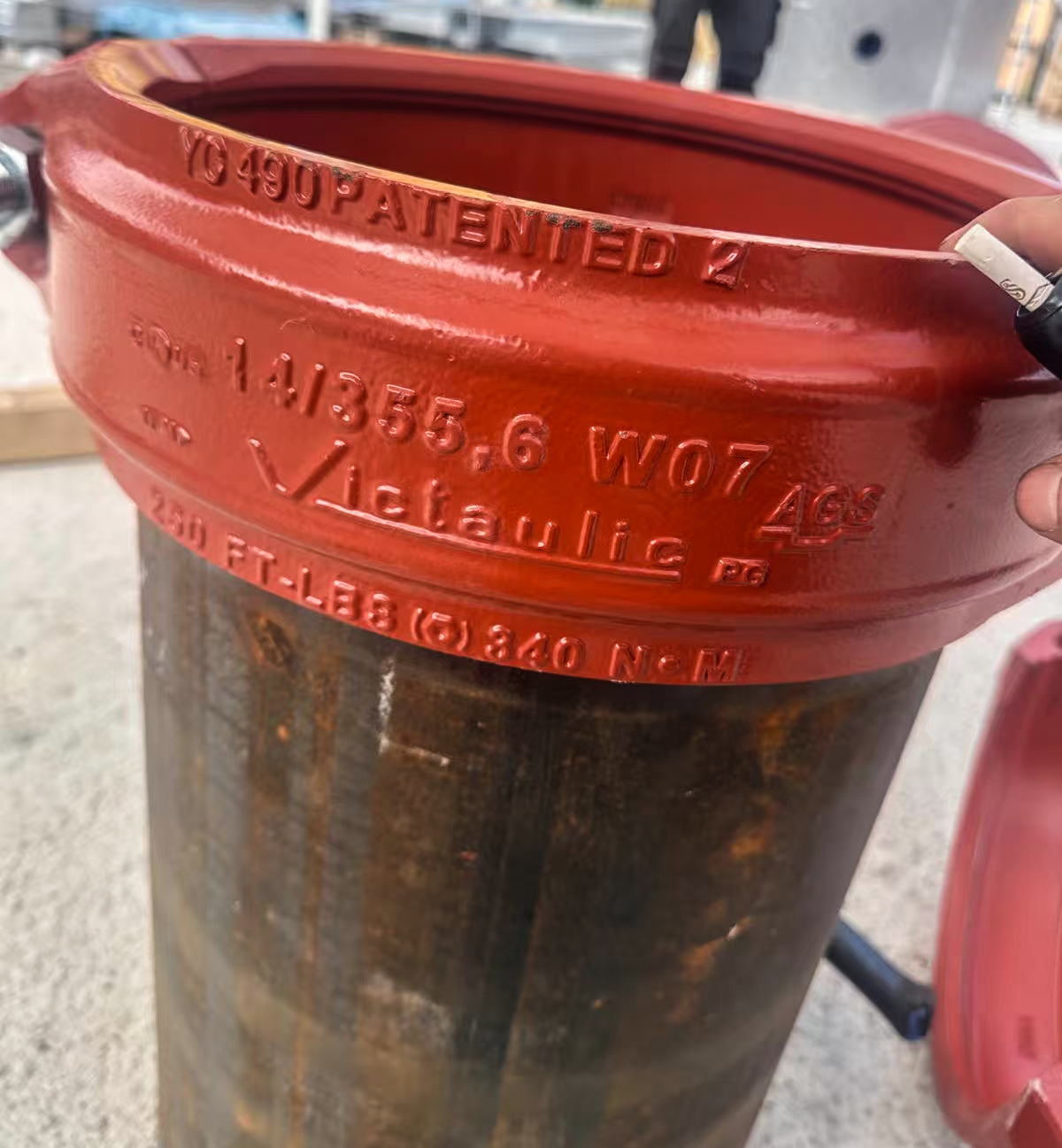
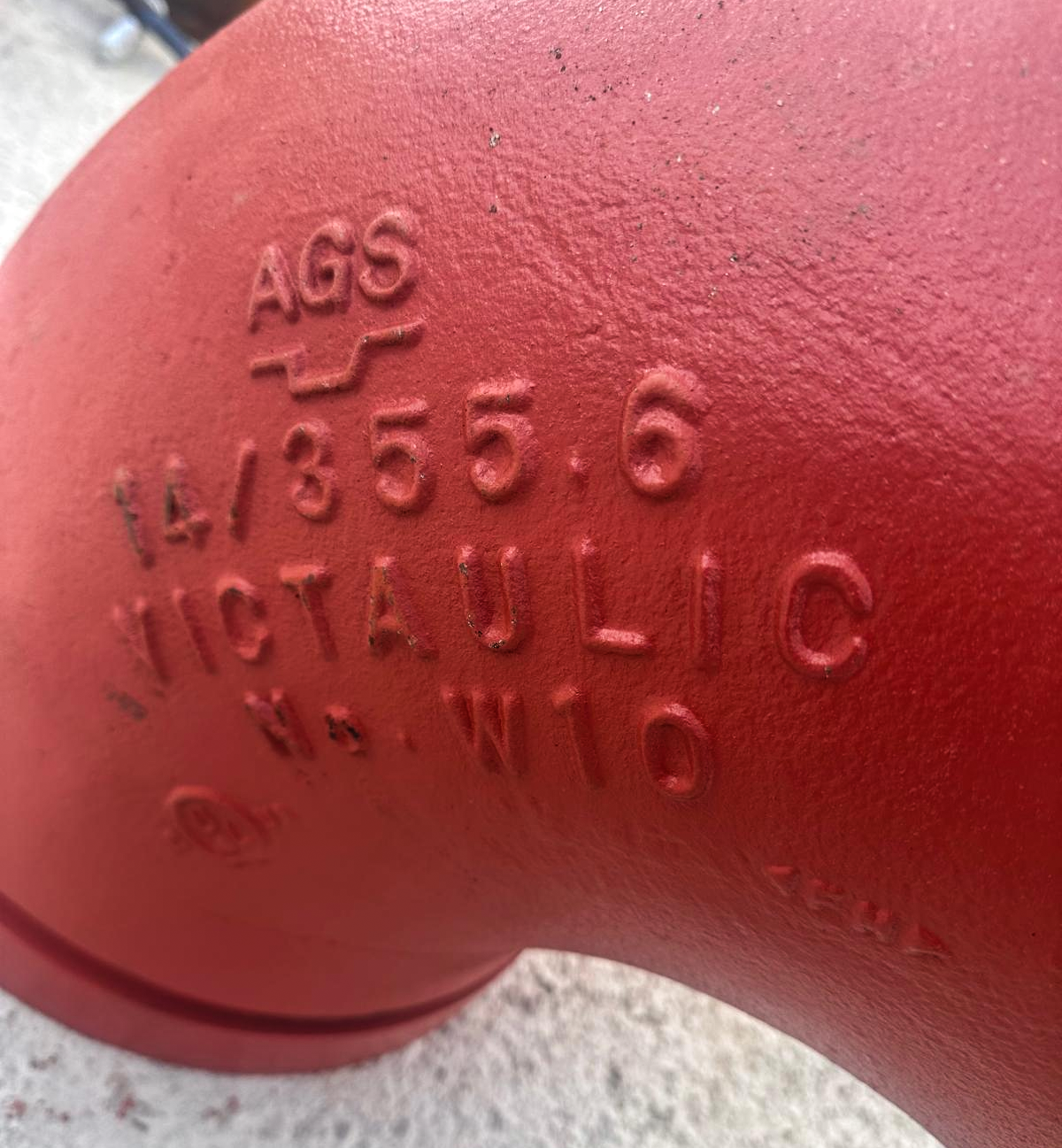
AGS (Advanced Grooved System) is designed for large-diameter pipe grooving applications.
As pipe size increases, higher demands are placed on joint stability and load capacity.
AGS addresses this by using a structure better suited for larger diameters, offering more reliable performance in such conditions.
Key Differences Between OGS and AGS
From a practical perspective, OGS and AGS are not direct alternatives, but are used in different ranges:
· OGS is used for standard pipe sizes and general applications
· AGS is more suitable for large-diameter pipes where higher stability is required
The difference lies mainly in application range rather than performance ranking.
How to Choose the Right Standard
In actual projects, the choice between OGS and AGS depends largely on pipe size and working conditions.
For standard pipe diameters, OGS is generally sufficient.
For larger pipes, especially from 14 inches and above, AGS becomes a more suitable option.

Equipment Compatibility with AGS
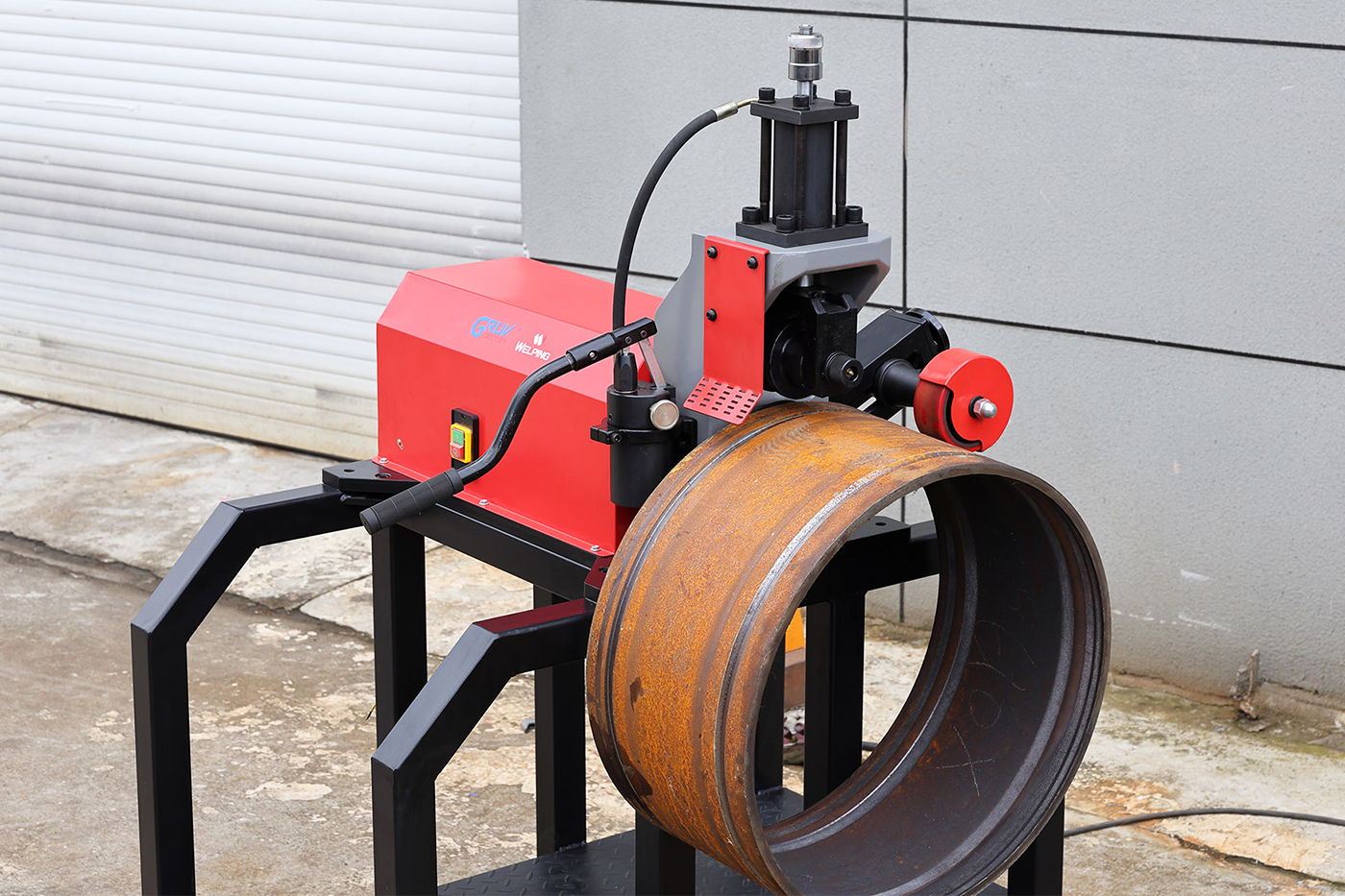
When working with AGS, the grooving machine needs to support compatible grooving components to ensure proper results.
In the Gruvmaster product range, several models support AGS grooving sets, including:
· Hydraulic roll grooving machines: RG-4X, RG-4X Pro, RG-K32
· Automatic roll grooving machines: AG-2X, AG-4X
These models can be equipped with AGS grooving sets for pipe sizes from 14" to 24".
Conclusion
OGS and AGS serve different purposes in grooved pipe systems.
For large-diameter applications, selecting the appropriate standard and matching equipment is important for achieving reliable connections.
Understanding these differences can help improve both equipment selection and on-site performance.