Pipe Straps vs Pipe Hangers: What’s the Difference?
- Share
- publisher
- RUBR
- Issue Time
- Apr 27,2026
Summary
Pipe straps and pipe hangers serve different support roles in piping systems. Straps are used for surface fixing in light-duty applications, offering simple and cost-effective installation. Hangers suspend pipes for heavier loads, providing greater flexibility and support. Choosing between them depends on load requirements, installation method, and application conditions.
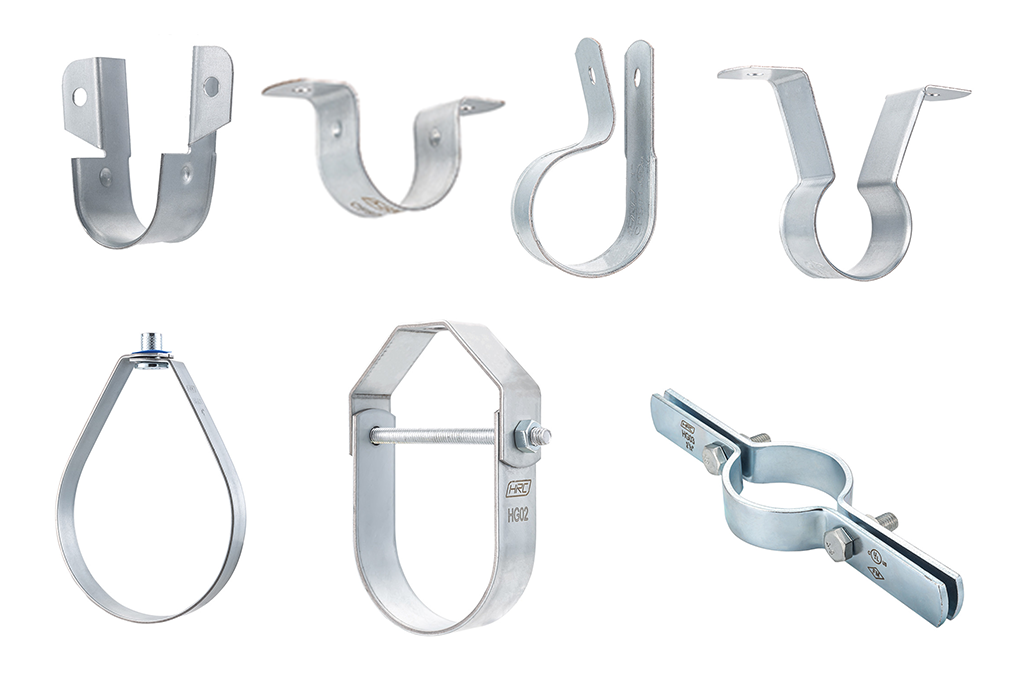
Pipe straps and pipe hangers are two of the most commonly used pipe support solutions. While both are designed to support piping systems, they differ significantly in structure, installation method, and load capacity.
Pipe Straps
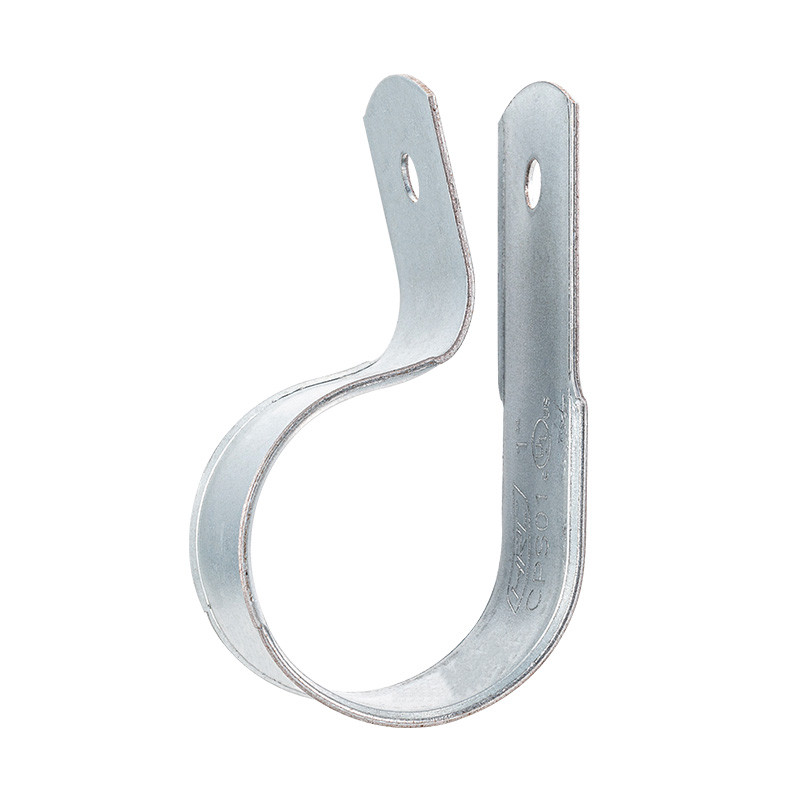
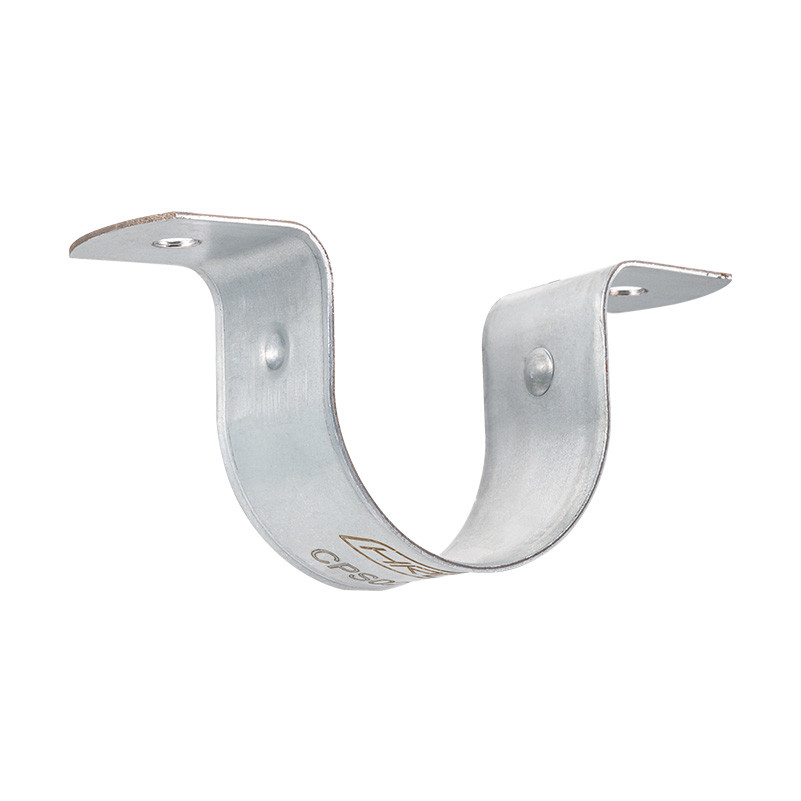
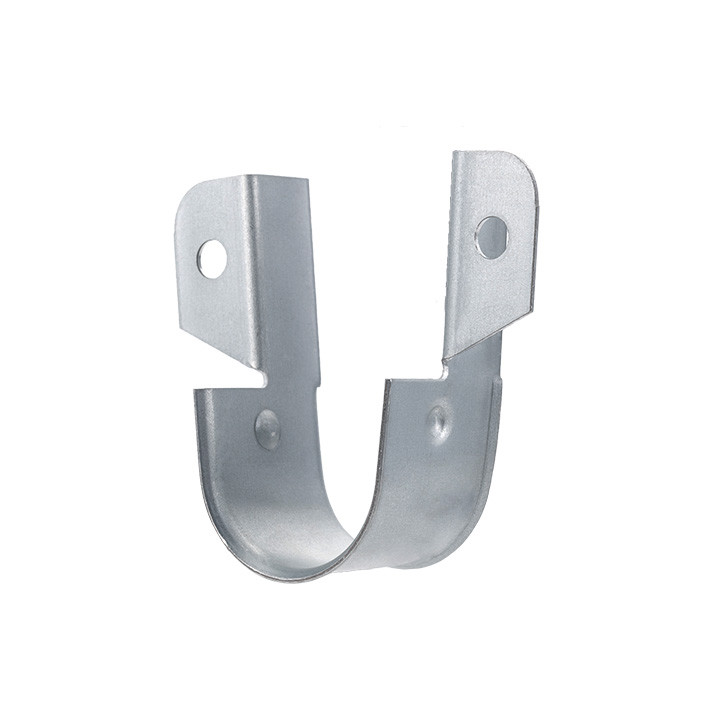
Pipe straps are used to fix pipes directly onto surfaces such as walls, beams, or wooden structures.
They are simple, efficient, and ideal for light-duty applications.
Typical applications:
· CPVC pipes
· Copper pipes
· Small steel pipes
Advantages:
· Easy installation
· Cost-effective
· Compact design
Limitations:
· Limited load capacity
· Not suitable for suspended systems
Pipe Hangers
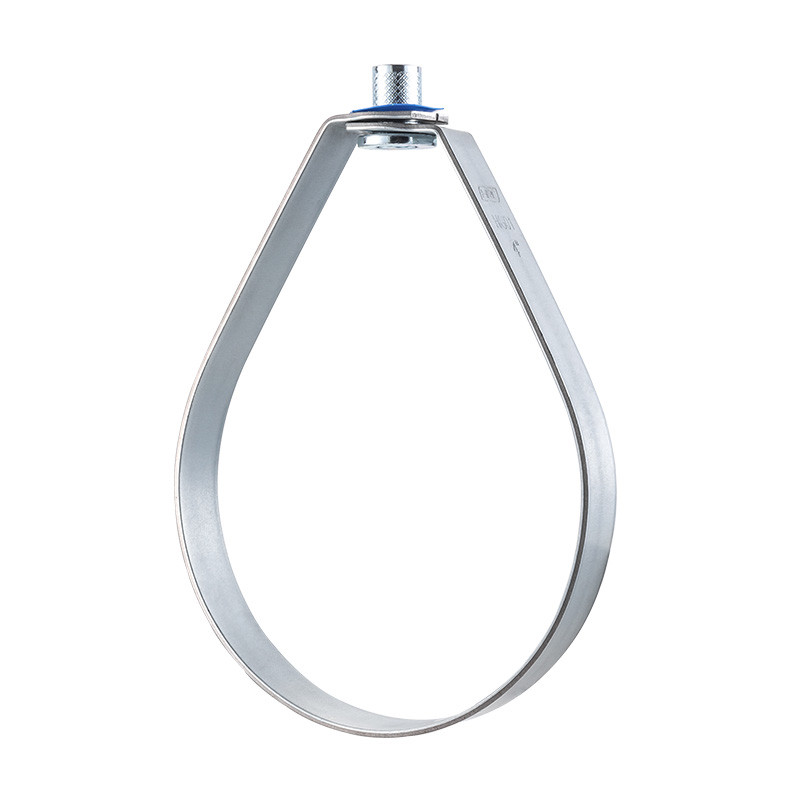
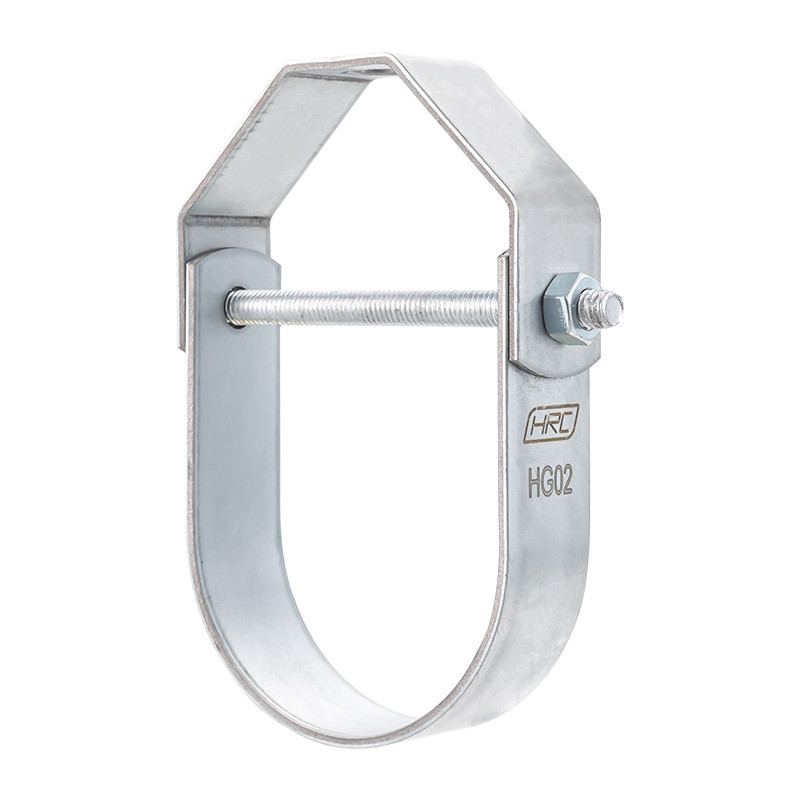
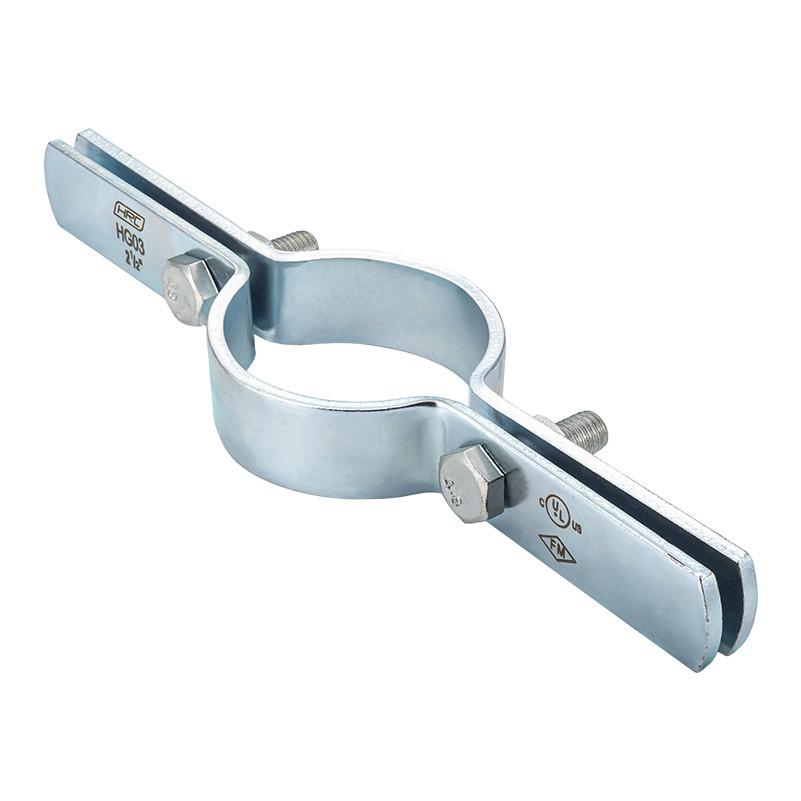
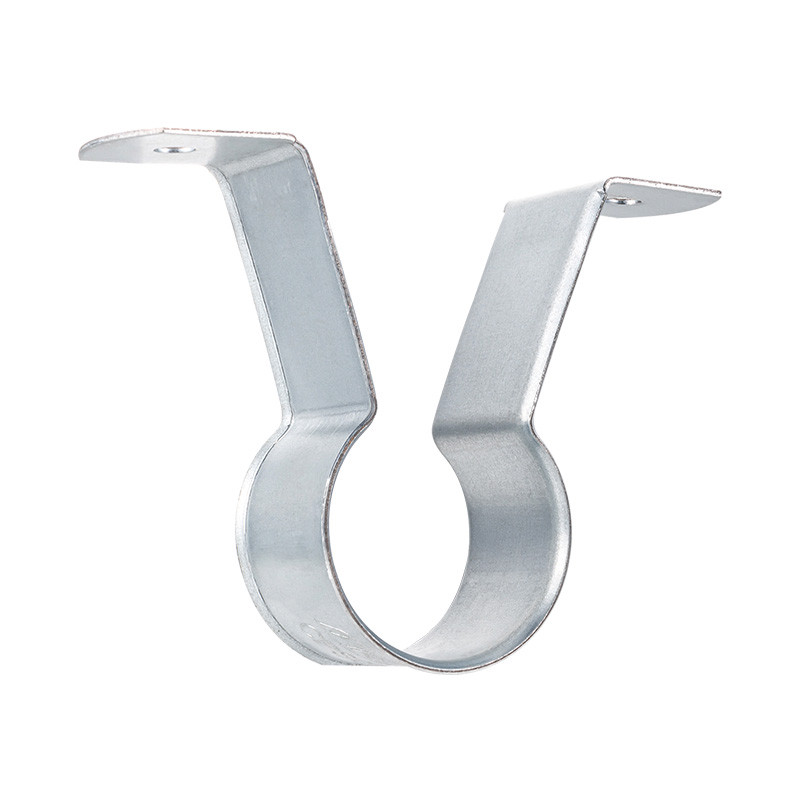
Pipe hangers suspend pipes using threaded rods, allowing flexible positioning and stronger load support.
Typical applications:
· Medium and large pipes
· Fire protection systems
· Industrial piping
Advantages:
· Higher load capacity
· Adjustable
· Suitable for suspended systems
Limitations:
· More complex installation
· Higher cost
Key Differences
· Pipe strap → surface fixing
· Pipe hanger → suspended support
Explore products: [Product Link]