Technical Guide | Why Hydraulic Stability Matters in Roll Grooving Quality
- Share
- publisher
- RUBR
- Issue Time
- Oct 19,2026
Summary
Hydraulic stability plays an important role in roll grooving quality. A stable hydraulic system helps control groove depth, improve groove consistency, reduce pipe end deformation, and support long-term machine reliability. This article explains how hydraulic feeding, sealing structure, depth adjustment, and cylinder durability affect roll grooving performance, and why Gruv-X hydraulic technology and Titanseal dual-seal design are valuable for both job site work and workshop prefabrication.
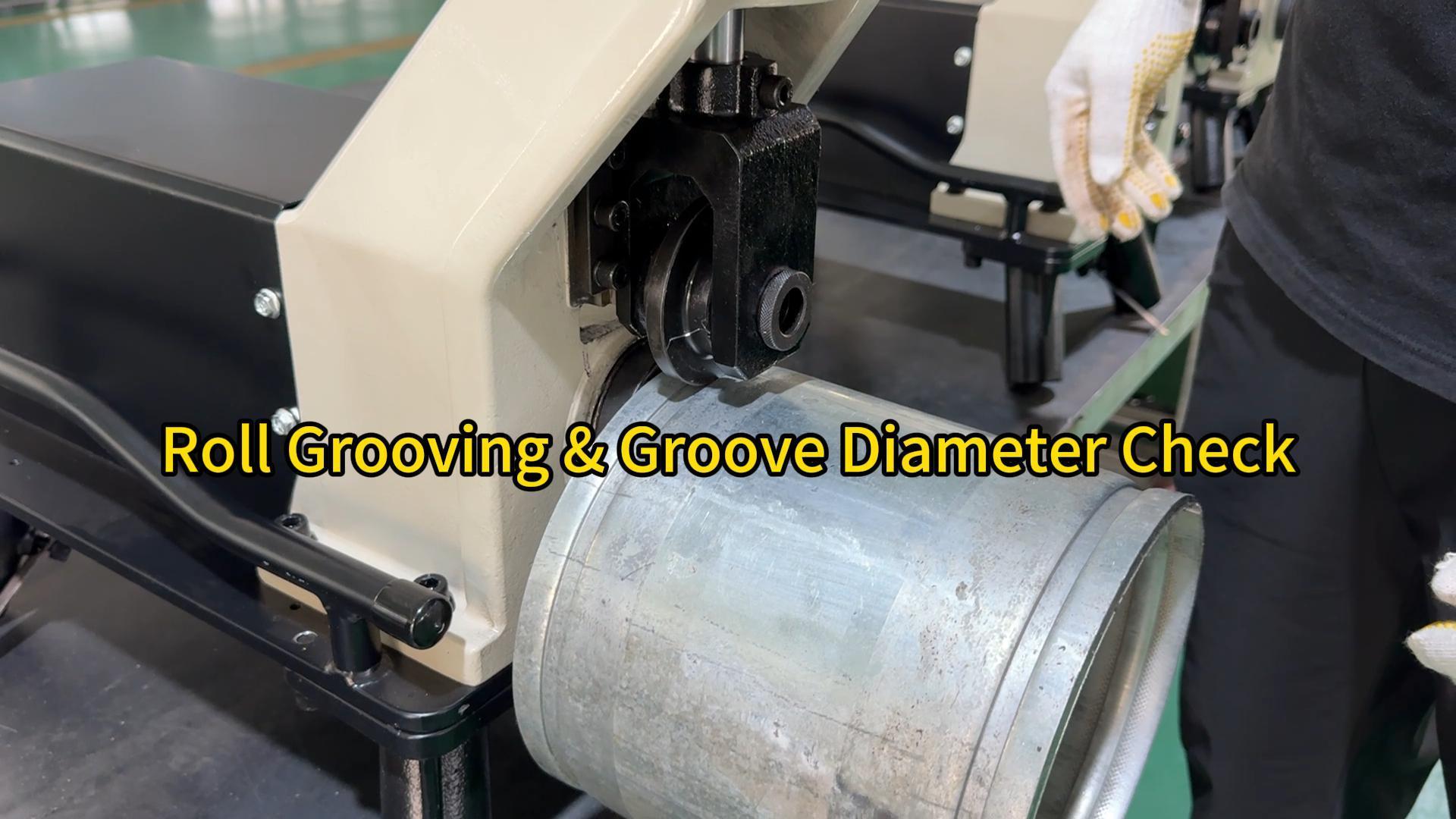
When choosing a roll grooving machine, many users first look at pipe capacity, motor power, roller configuration, and machine weight. These specifications are important, but in real grooving work, one key part is often underestimated: the hydraulic system.
The hydraulic system pushes the groove roller into the pipe wall step by step, allowing the groove to be formed at the pipe end. If the hydraulic feeding is stable, groove depth is easier to control and the groove profile is more consistent. If the pressure is unstable, the grooving process may become uneven, which can affect the final connection quality.
That is why the hydraulic system is not just a supporting component. It plays an important role in groove quality, machine durability, and long-term working performance.
What Does the Hydraulic System Do During Grooving?
During roll grooving, the drive roller rotates the pipe, while the groove roller presses into the pipe wall to form the groove. The hydraulic system provides the feeding force that moves the groove roller in a controlled way.
This process affects several important details:
| What the Hydraulic System Affects | Impact on Groove Quality |
| Feeding speed | Affects how smoothly the groove is formed |
| Feeding pressure | Affects whether the groove reaches the required depth |
| Pressure stability | Affects groove consistency from pipe to pipe |
Operation control | Affects how easily the operator can adjust the process |
Long-term sealing performance | Affects maintenance and service life |
For roll grooving, the key is not simply having enough pressure. The pressure needs to be stable, controllable, and reliable over time.
What Problems Can Unstable Pressure Cause?
If hydraulic pressure is unstable, the grooving process becomes harder to control. Uneven feeding may lead to inconsistent groove formation. Insufficient pressure may result in a shallow groove. Excessive pressure or sudden pressure changes may deform the pipe end.
In fire protection, HVAC, and industrial piping systems, groove depth and sealing surface length can affect coupling installation and sealing performance. Even a small groove variation may create problems during installation or inspection.
| Common Problem | Possible Result |
Unstable feeding | Inconsistent groove depth and profile |
| Insufficient pressure | Groove depth may not meet requirements |
Excessive pressure | Pipe end may deform |
| Hydraulic leakage | Pressure drops and maintenance increases |
| Long-term pressure loss | Batch consistency becomes worse |
Poor operation feedback | Operator has less control over the process |
In roll grooving, stable pressure is often more important than high instant pressure. A controlled feeding process helps the groove form gradually and consistently.
Stable Hydraulic Feeding Helps Control Groove Depth
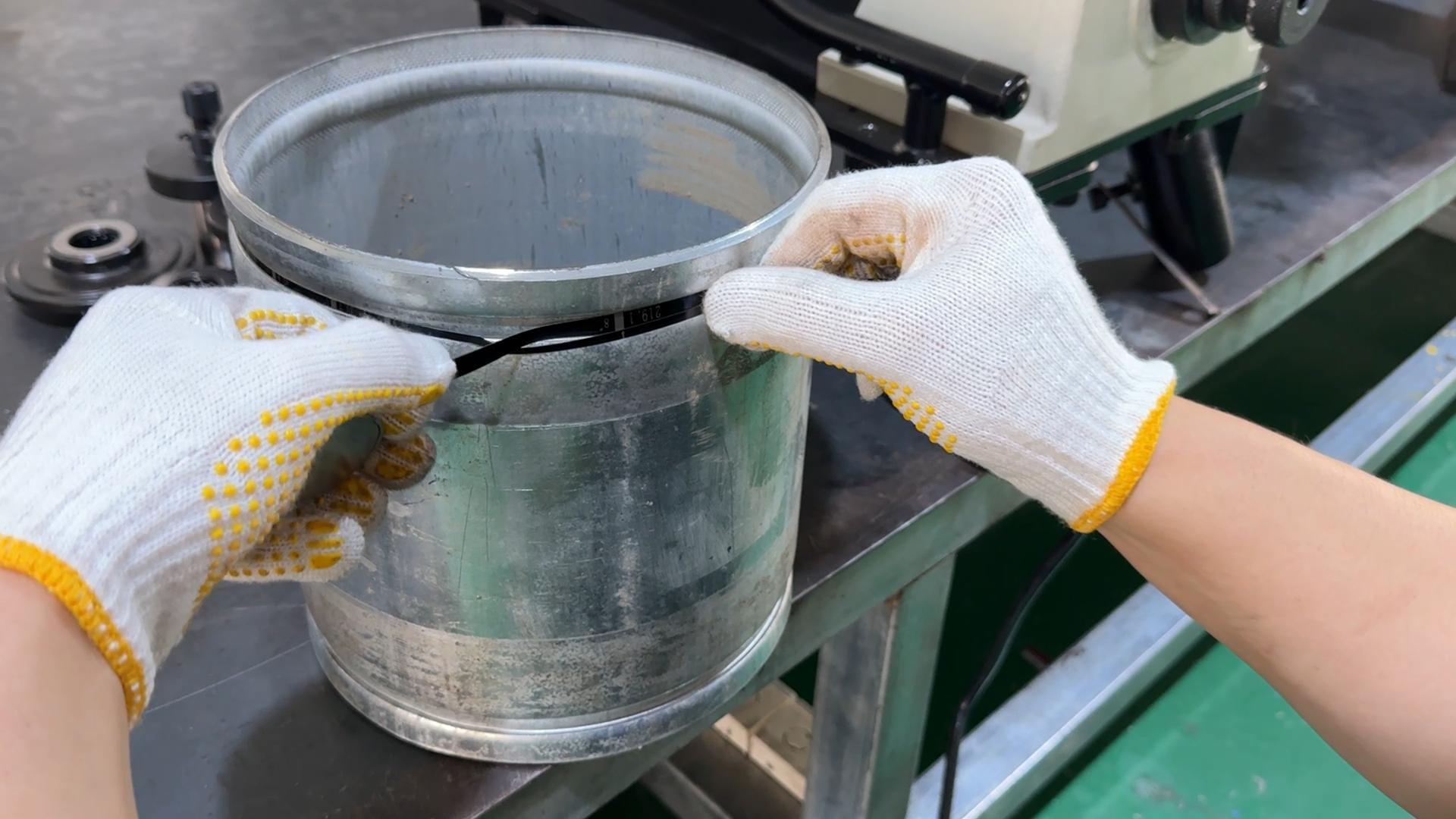
Groove depth is one of the most important factors in roll grooving quality. If the groove is too shallow, the coupling connection may not be reliable. If the groove is too deep, the pipe end may deform or the pipe wall may be weakened.
A stable hydraulic system allows the groove roller to press into the pipe wall at a controlled pace. This makes it easier for the operator to adjust the process according to pipe size, wall thickness, and project requirements.
For batch production, this becomes even more important. Making one acceptable groove is not difficult. The real challenge is keeping many grooves consistent across many pipes. Stable hydraulic feeding helps reduce variation between pipes.
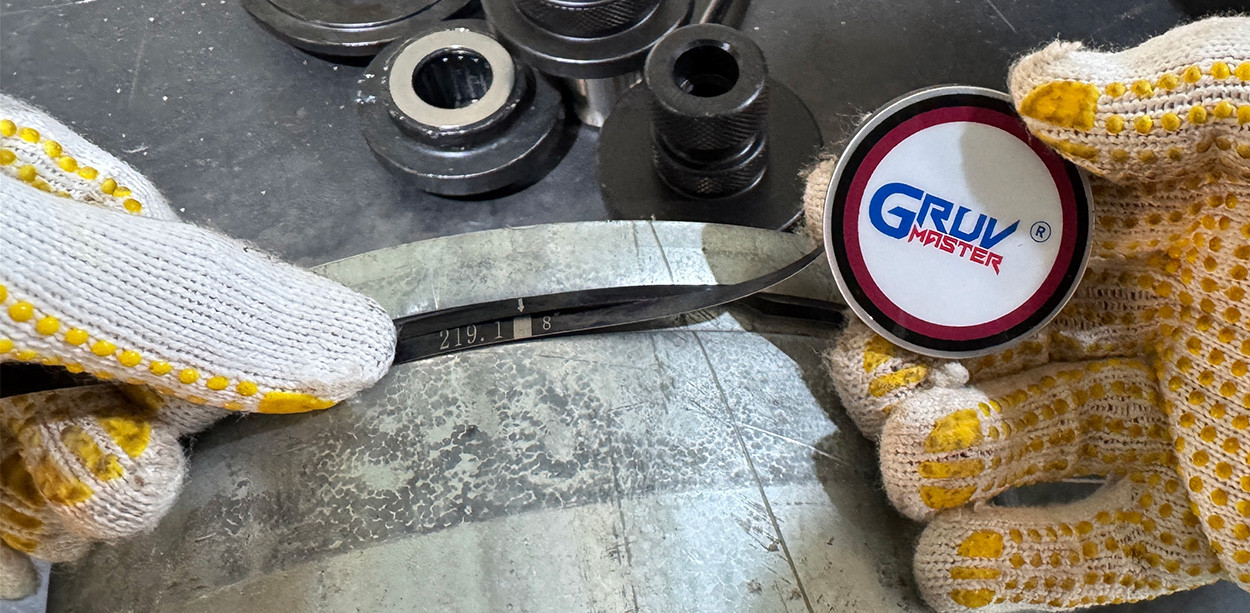
Built-In Depth Scale Makes Adjustment Easier
In real operation, groove depth adjustment should not rely only on experience. When switching between different pipe sizes or wall thicknesses, clear adjustment reference helps reduce trial-and-error.
On selected Gruvmaster machines, a built-in grooving depth scale makes adjustment more direct and easier to control. The operator can adjust more quickly according to the working requirement, reducing repeated testing and improving working efficiency.
For job site work, this improves convenience. For workshop processing, it helps improve rhythm and repeatability.
Why Titanseal Dual-Seal Design Matters
After long-term use, one of the common problems in hydraulic systems is sealing performance loss. Aging seals, pressure loss, or oil leakage can all affect machine stability.
Hydraulic leakage is not only about machine cleanliness. More importantly, it affects feeding pressure. When pressure cannot remain stable, the groove roller cannot press into the pipe wall in a reliable and controlled way.
The Titanseal dual-seal design used in Gruvmaster hydraulic systems is designed to reduce leakage risk and help maintain stable pressure. For users who operate machines frequently, this can reduce maintenance needs and help the machine stay reliable over long-term use.
Hardened Cylinder Body Improves Durability
The hydraulic cylinder works under repeated movement and pressure during grooving. If the inner cylinder surface wears easily, sealing performance and pressure stability may both be affected.
A heat-treated hardened cylinder body improves wear resistance and reduces internal damage over long-term operation. For users who run roll grooving machines every day, this is a practical advantage.
Machine durability is not only about the external frame. The internal hydraulic structure also affects long-term performance, maintenance cost, and downtime.
Practical Value of the Gruv-X Hydraulic System
The Gruv-X hydraulic system is not just a technical name. It is designed around real problems in long-term roll grooving work: feeding stability, pressure retention, sealing reliability, and operation efficiency.
| Gruv-X Design Focus | Practical Value for Users |
| Stable hydraulic feeding | Helps control groove depth and profile |
| Built-in depth scale | Makes adjustment clearer and more accurate |
| Titanseal dual-seal structure | Reduces leakage risk and helps maintain pressure |
Hardened cylinder body | Improves wear resistance and service life |
Fast feeding design | Improves operation efficiency |
Long-term pressure | Supports continuous and batch |
stability | processing |
Reliable hydraulic structure | Reduces maintenance pressure and downtime |
For users, these designs are not just technical details. They bring more stable groove results, fewer maintenance problems, and a better long-term working experience.
Important for Both Job Sites and Workshops
Hydraulic stability is valuable for both job site work and workshop prefabrication, but in different ways.
On job sites, conditions are often more complicated. Pipe sizes may change, space may be limited, and operators need to finish the job efficiently while maintaining connection quality. A stable hydraulic system makes the process easier to control and helps reduce grooving problems caused by pressure fluctuation.
In prefabrication workshops, users care more about efficiency and consistency. When many pipes are processed every day, hydraulic stability directly affects how consistent the groove results are from pipe to pipe. If the machine can maintain stable pressure over long-term use, workshop output becomes easier to control.
Simply put, job sites need reliability. Workshops need stable output. The hydraulic system supports both.
Applications That Need Hydraulic Stability
| Application | Why Hydraulic Stability Matters |
| Fire protection pipe installation | Groove quality affects coupling connection and sealing |
| HVAC pipe processing | Many pipe sizes require stable adjustment and repeated processing |
| Prefabrication workshops | Batch production requires consistent groove results |
Large-diameter pipe grooving | Heavier pipes and higher forming force require stable feeding |
Continuous operation | Hydraulic durability affects downtime and maintenance |
Thin-wall or special pipes | Controlled feeding helps reduce pipe end deformation |
Hydraulic Stability Supports Long-Term Groove Quality
A good roll grooving machine is not only judged by whether it can form a groove once. It should also maintain stable performance after long-term use.
Hydraulic stability affects groove depth control, groove consistency, operation convenience, maintenance requirements, and service life. When selecting a roll grooving machine, users should consider not only pipe size range, motor power, and roller configuration, but also the structure and reliability of the hydraulic system.
With the Gruv-X hydraulic system, Titanseal dual-seal structure, built-in depth scale, and hardened cylinder body design, Gruvmaster provides more stable and reliable hydraulic support for roll grooving machines. Whether for job site work or workshop prefabrication, a stable hydraulic system helps users achieve more consistent groove quality and better long-term performance.
If you have requirements for groove quality, groove depth control, or long-term batch processing stability, share your pipe size range, wall thickness, and working conditions with Gruvmaster. Our team will help you choose a suitable roll grooving solution.