A Practical Test and Usage Record of a Pipe Cutting Blade
- Share
- publisher
- RUBR
- Issue Time
- Jan 23,2026
Summary
This article documents a practical evaluation of a pipe cutting blade used on Gruvmaster pipe cutting machines. Based on real steel pipe cutting conditions, the blade was tested through repeated cutting cycles rather than single-cut results. The focus is on wear behavior, cutting stability, usable blade life, and compatibility across multiple machine models under normal working conditions.
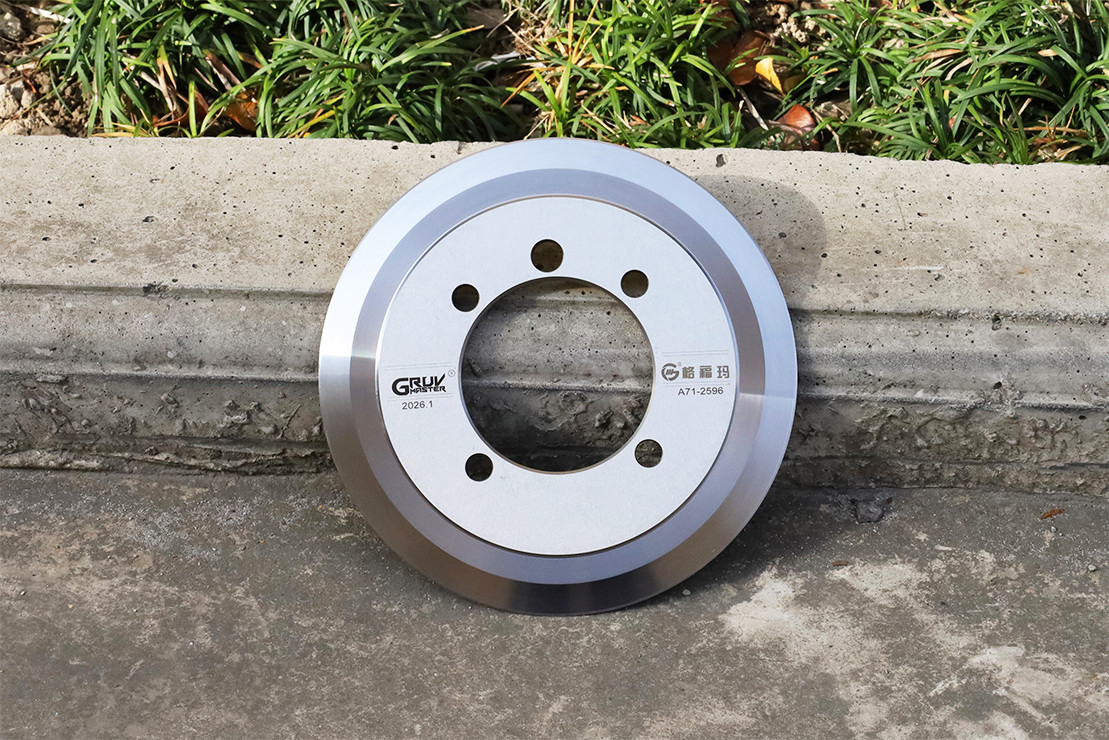
In daily pipe cutting work, the blade is often one of the fastest-wearing parts of a pipe cutting machine.
Once a blade wears too quickly, cut quality drops, operation becomes less stable, and overall usage cost increases.
For this reason, we carried out a focused evaluation of the cutting blade used on our Gruvmaster pipe cutting machines, based on real cutting conditions rather than isolated parameters.
Common Issues in Steel Pipe Cutting
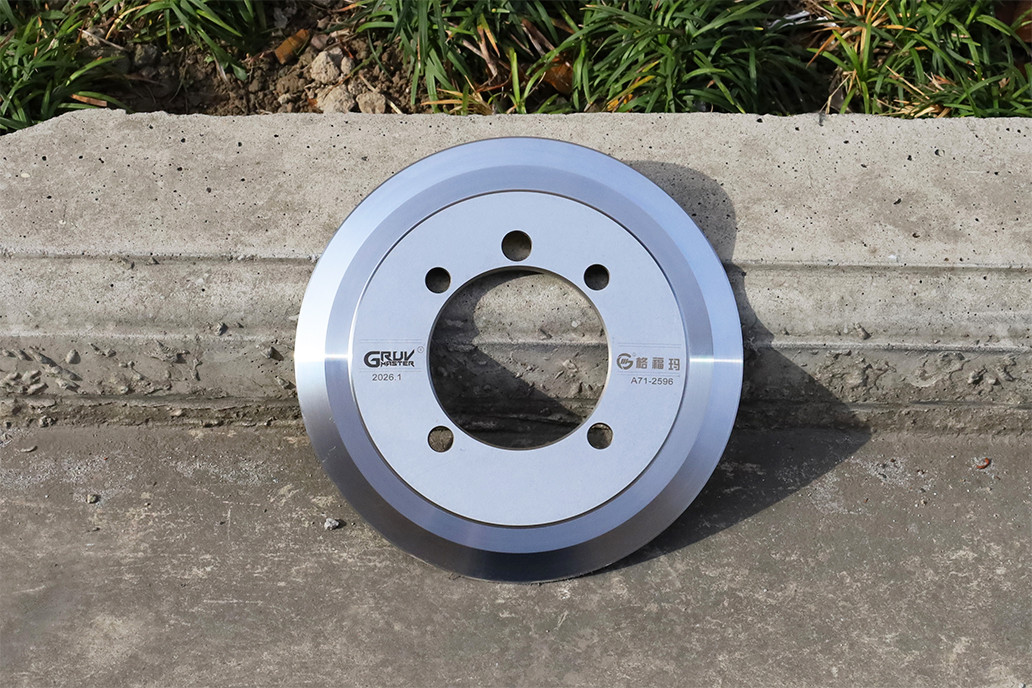
When cutting steel pipes, the load on the blade is significant.
As wall thickness increases, blade wear tends to accelerate—this is a common situation in real applications.
In practice, some blades show noticeable changes after only a few cuts.
Cutting can continue, but cutting feel and cut consistency are affected.
These issues may not appear immediately, but they become clear during continuous use.
Process Adjustments Based on Real Use
Based on actual steel pipe cutting conditions, adjustments were made to the manufacturing process of the cutting blade used on our machines.
The goal was straightforward: to keep the blade performing consistently over repeated cuts.
This was not about pushing a single performance metric.
The focus was on extending usable blade life under normal working conditions, while maintaining practical cost efficiency.
Internal Cutting Tests
During internal testing, the blade was used for repeated cutting under the same conditions.
Steel pipes were the primary test material, with additional tests carried out on galvanized pipes to reflect common applications.
The evaluation focused on blade condition after multiple cuts, rather than on single-cut results.
After repeated cutting cycles, the blade remained in good working condition, with no obvious wear affecting normal use.
These observations provide a reference for how the blade performs in real engineering applications.
Application Range and Compatibility
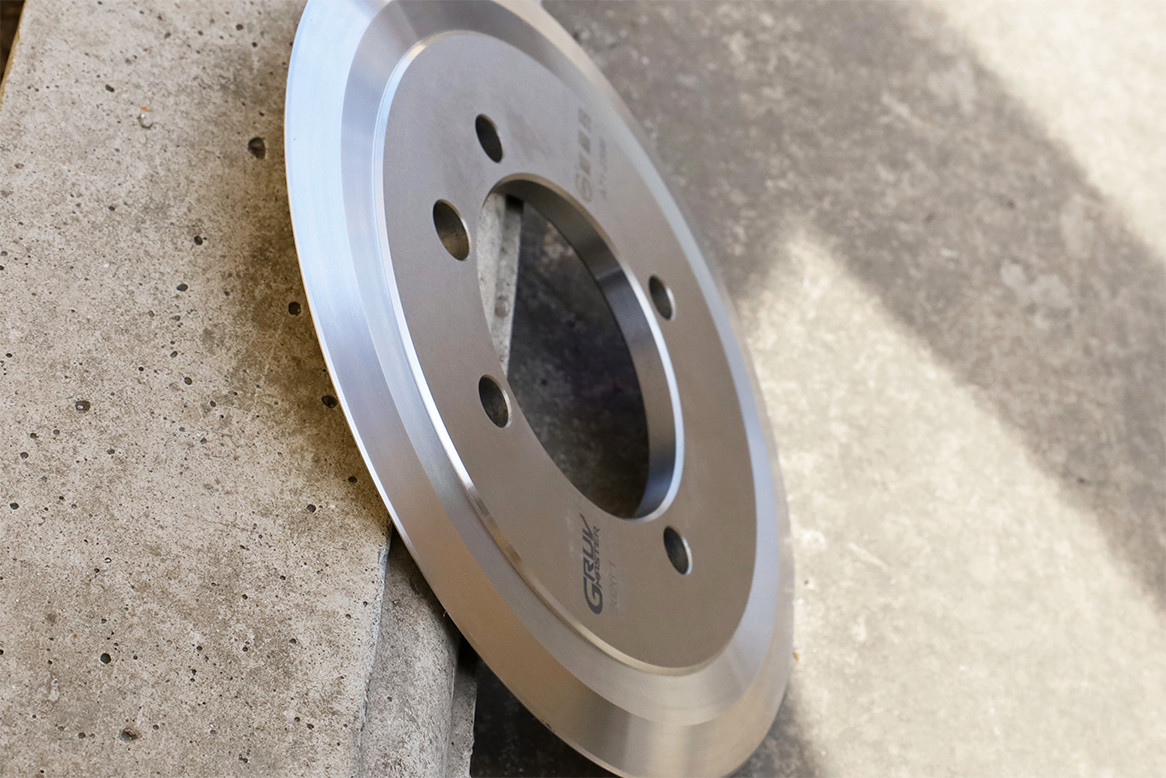
The blade is suitable for cutting steel pipes and galvanized pipes, with a maximum supported wall thickness of 13 mm.
As part of the cutting system, it is currently used across multiple pipe cutting machine models, including:
· CM-8
· CM-8X
· CM-12
· CM-20
The installation and usage logic remain consistent across different models, which helps maintain stable cutting performance and simplifies daily use.
About Customization Support
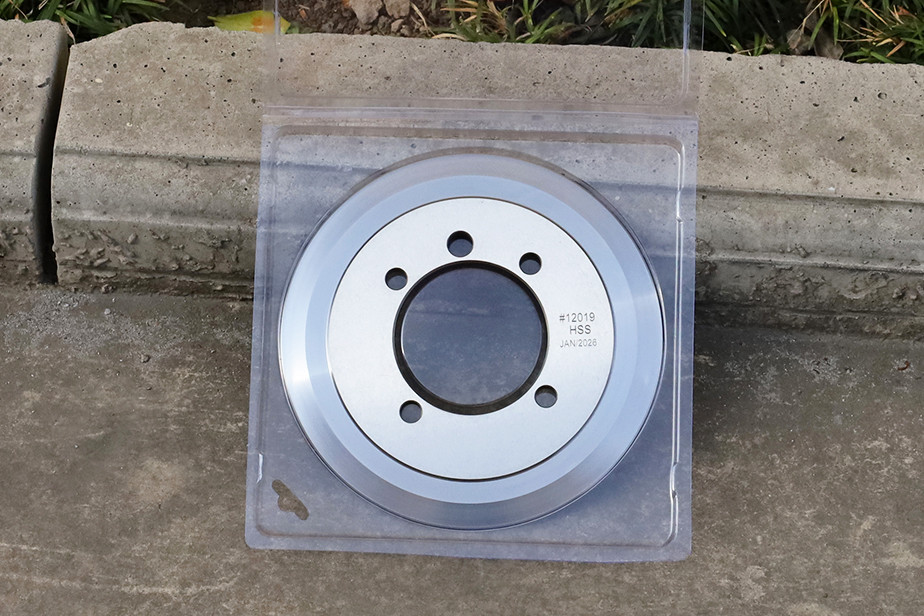
Based on existing manufacturing capabilities, brand customization is supported, as well as dedicated blade designs for special pipe applications.
These options are developed around specific cutting requirements, rather than offered as standalone products.
Conclusion
The design and testing of this cutting blade were carried out with real usage in mind.
The aim was simple: to achieve more stable and predictable performance in steel pipe cutting, rather than chasing headline specifications.
At present, this blade is used as part of the cutting system on several pipe cutting machine models.
Related configurations and technical details can be found on the corresponding pipe cutting machine product pages.